Bed bug treatments that do not last usually have one thing in common: incomplete preparation and no follow-up verification. Show Me Pest Control's certified protocol in Rockford covers both - we do not close a job until clearance is confirmed.
Why Treatments Succeed or Fail
A complete protocol addresses preparation, treatment method, harborage access, and post-treatment verification. Most services address only one or two.
Your preparation checklist is property-specific, reviewed with you before the appointment, and matched to the treatment type being used. There are no surprises on treatment day.
Your treatment type is selected after assessment - not assumed. Heat treatment, targeted chemical protocol, or a combination approach is chosen based on the extent of the infestation, the property layout, and the treatment access available.
A treatment that covers the mattress but misses the outlet plate behind the headboard is not a complete treatment. We reach every harborage zone - that thoroughness is what separates a single-treatment result from a recurring problem.
We schedule the follow-up before we leave and do not close the job until interceptor monitoring confirms zero live activity. Clearance is a data point, not an assumption.
Understanding the Problem
Understanding bed bug biology is not optional for anyone designing a treatment protocol. The egg stage is the most treatment-resistant - chemically impenetrable with most contact insecticides, requiring either thermal kill at 120+ degrees Fahrenheit or an insect growth regulator that disrupts hatching. The pupal stage adds another layer of difficulty: dormant pupae in deep harborage zones can survive for months, re-establishing the population after a treatment clears the visible adult stage. Behavioral pyrethroid resistance means that spraying treated surfaces is not sufficient - bugs reroute rather than cross. And dispersal behavior during partial treatment is the mechanism behind the single worst outcome: a well-intentioned but incomplete treatment that sends bed bugs to adjacent rooms and multiplies the problem.
What preparation actually means is frequently misunderstood - both by homeowners and, unfortunately, by some service providers. Stripping the bed is the part most people do. The preparation that determines treatment success involves everything else: clearing all items from the floor perimeter so baseboards can be reached, vacuuming the mattress, box spring, and all carpet edges (which mechanically hatches dormant pupae, exposing them to any treatment residual that follows), bagging all clothing and textiles from furniture drawers, removing outlet covers from the walls within 3 feet of the bed, pulling all nightstand contents and treating the interior surfaces, and ensuring that furniture joints and headboard cavities are physically accessible to the technician. A treatment that begins without this preparation is working around the infestation rather than through it.
Bed bugs back after a previous service in Rockford?
Call +1-866-315-0243. We start with the assessment - what failed, why, and what the correct protocol for your specific property actually requires.
Heat treatment is based on a well-established biological principle: all life stages of bed bugs, including eggs, die when exposed to temperatures above 120 degrees Fahrenheit for a sustained period. The technical execution of this principle is what separates effective heat treatment from a failed one. Heat must penetrate every harborage zone - which means the room must be prepared so that nothing blocks heat circulation around furniture, into closets, into wall cavities through electrical outlets, and behind headboards. Technicians monitor temperatures with sensors placed at multiple points throughout the room, extending the treatment until all sensors confirm the target temperature has been sustained for the required duration. This level of technical precision is why preparation is non-negotiable for heat treatment - furniture that has not been moved away from walls prevents heat penetration into the wall-furniture gap, where harborage zones are often concentrated.
Hotel, vacation rental, and multi-unit residential properties in Rockford have bed bug risk profiles that are fundamentally different from single-family homes. In a shared-wall structure, the question is never whether only one unit is affected - it is which units are involved and how the dispersal pattern maps across the building. Show Me Pest Control's multi-unit protocol begins with an adjacency map: every unit sharing a wall, floor, or ceiling surface with the confirmed case is inspected. Treatment sequencing is coordinated to prevent dispersal into uninspected spaces during active treatment. For Airbnb and VRBO operators, we structure the entire process around the platform's damage claim documentation requirements, producing inspection reports, treatment records, and clearance documentation in the format those claims require.
What We Provide
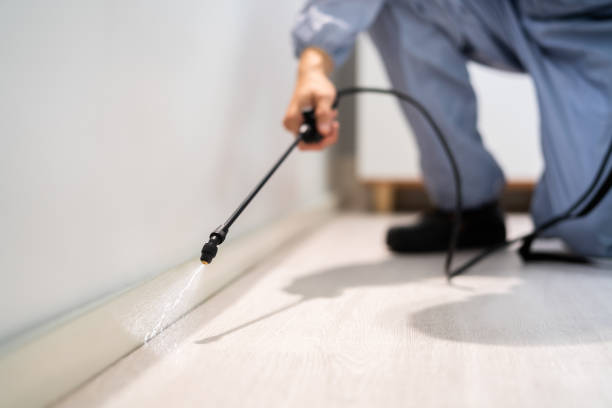
Property-specific preparation checklists reviewed by phone before the appointment. We document harborage zone locations and walk you through every preparation requirement - the step most services skip.
Call to Schedule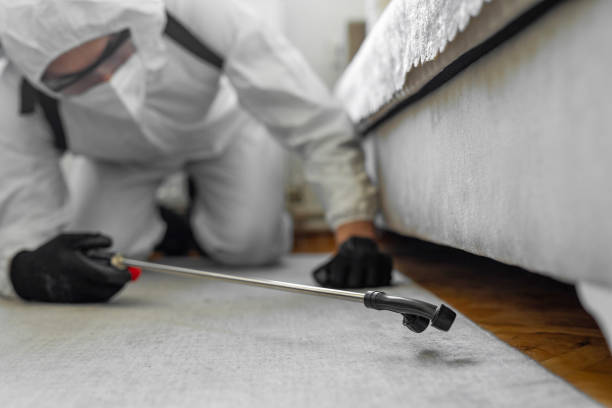
Sustained heat above 120 degrees Fahrenheit penetrates every harborage zone and eliminates all life stages including eggs in a single treatment session. Equipment is staged for uniform heat distribution throughout the treatment zone.
Call to Schedule
IGR-based chemical protocol stops the reproductive cycle at the egg and pupal stage while contact residual addresses the active population. Continued residual protection is what makes chemical protocol effective for adjacent-unit and multi-room infestations.
Call to Schedule
For apartment buildings and short-term rental operators in Rockford - adjacent unit inspection, coordinated treatment, and platform-ready documentation including inspection baseline, treatment records, and clearance report.
Call to Schedule
Bed bug interceptor devices placed under furniture legs provide data on residual population activity between treatment and the follow-up visit. Catch data is reviewed at follow-up and compared against the pre-treatment baseline to confirm population trend.
Call to Schedule
A clearance inspection and written clearance note completed when monitoring data confirms zero live activity. Documentation available for landlord records, insurance purposes, and short-term rental platform submissions.
Call to ScheduleThe Process
Your phone call begins the assessment - we document the infestation history, affected rooms, prior treatment attempts, and property layout before scheduling.
The prep checklist is sent and reviewed with you before the appointment. We answer every question and confirm the preparation is complete before dispatching.
The protocol selected in the assessment is applied in full - every harborage zone accessed, every identified location treated, interceptors placed before the technician departs.
The follow-up compares current interceptor data against the pre-treatment baseline. Clearance is issued when all monitoring confirms zero active population.
Client Outcomes in Rockford
Two failed treatments from other companies before Show Me Pest Control. Both times the bedroom floor was never fully cleared and the outlets were never addressed. The Show Me Pest Control technician caught both issues during the prep review. Proper prep, single treatment, verified clearance at the follow-up. I wish I had called them first.
As an Airbnb host in Rockford, the documentation is as critical as the treatment itself. Show Me Pest Control provided the inspection baseline, treatment record, and clearance documentation in exactly the format the platform requires for damage claims. Treatment was within 48 hours of my call. Professional from start to finish.
After three weeks of not being able to sleep in my bedroom in Rockford, Show Me Pest Control found what the prior treatment had missed in the first inspection: box spring interior and the outlet behind the headboard. Both were skipped in the original service. Single treatment by Show Me Pest Control with follow-up verification - cleared. That was the difference.
Common Questions
The most common reason bed bug treatments fail is incomplete preparation - harborage zones that were not cleared, floor perimeters that were not emptied, outlet plates that were not removed, or furniture that was not moved to provide treatment access. The second most common reason is a protocol mismatch: chemical treatment without IGR does not address eggs, and heat treatment without proper equipment staging does not penetrate blocked harborage zones. If your previous treatment involved a technician spraying surfaces and leaving without a preparation checklist review and a scheduled follow-up, those are the first places to look for why the treatment did not last.
In most cases, no. Mattress disposal is almost never necessary for a properly executed bed bug treatment. Heat treatment eliminates all life stages on a mattress in place. Chemical protocol treats the mattress seams and surface as part of the harborage zone inspection. After treatment, a quality mattress encasement seals the treated surface and allows for ongoing monitoring. The decision to discard a mattress may be appropriate if the mattress is heavily damaged or the client prefers replacement, but the treatment outcome does not depend on it. Disposing of a mattress without treating the rest of the room and harborage zones simply relocates an untreated infestation - the bugs in the box spring, headboard, and baseboards remain.
Preparation for bed bug treatment in Rockford includes clearing floor perimeters, washing and bagging all bedding and clothing, emptying furniture, removing outlet covers near sleeping areas, and vacuuming mattress seams and carpet edges. Show Me Pest Control provides a property-specific checklist and reviews it with every client by phone before the appointment - call +1-866-315-0243 to schedule and we will walk through everything before the treatment date.
Heat treatment eliminates all life stages present on treatment day in a single session - typically 6-8 hours for a bedroom. Chemical protocol with IGR continues working for 2-4 weeks after application, as newly hatched nymphs contact the residual and the IGR prevents development of any remaining eggs. The follow-up inspection, typically scheduled 2-3 weeks after treatment, confirms whether the population has cleared or whether any harborage zone was missed. For a single-room infestation treated with proper preparation, most cases clear after one treatment plus the follow-up verification. Multi-room or multi-unit infestations may require additional treatment if the assessment reveals activity beyond the initial treatment zone.
The choice between heat treatment and chemical protocol in Rockford depends on property type, infestation extent, and adjacency factors. Heat works best for contained single-room infestations where equipment can be properly staged. Chemical with IGR works best for multi-unit, multi-room, or adjacent-unit situations where residual protection matters. We assess each situation before recommending a protocol - no default answer that ignores your specific property.
Clearance is confirmed through the follow-up inspection, not through absence of visible bugs in the days after treatment. After treatment, interceptor devices placed under furniture legs collect any active bed bugs that survive or emerge from eggs over the following 2-3 weeks. The follow-up inspection reviews these interceptors, re-inspects all harborage zones, and compares the findings against the pre-treatment baseline. If interceptors show zero catch and no active evidence is found in any harborage zone, clearance is documented and issued. If any residual activity is found, the affected area is retreated. Show Me Pest Control does not declare clearance based on how the client feels about the situation - we declare it based on what the monitoring data shows.
Show Me Pest Control's Rockford team is ready to assess your infestation, review the preparation requirements, and build a protocol that accounts for every variable. Call today.
Call +1-866-315-0243 Now